

Cordyceps Mushroom: The Science and Tradition Behind a Fascinating Fungus
Cordyceps militaris is one of the most distinctive fungi in the natural world, with a long history of traditional use in parts of Asia. It remains a popular choice among people interested in natural foods.
Cultivating Cordyceps
There are around 400 different species of Cordyceps fungi. Cordyceps militaris has featured for hundreds of years in the traditions of parts of Asia.
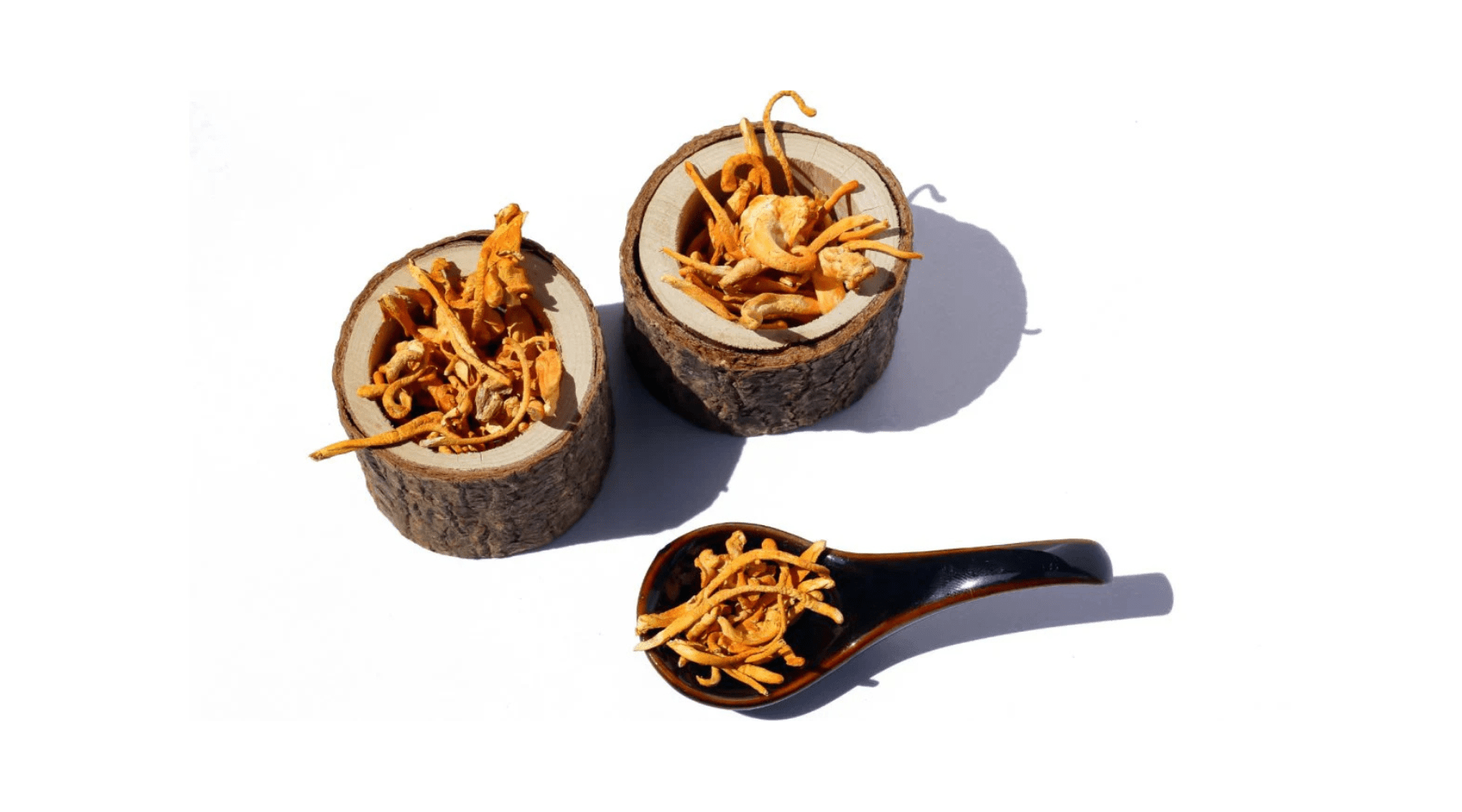
Cordyceps militaris is a fascinating mushroom, almost like something out of a sci-fi movie. It's a parasitic fungi that feeds off insects, taking over the host's body. This glowing orange fungi resembles coral, with long stems sprouting from the host's body.
The Cordyceps extracts and supplements found on the market are mostly cultivated using non-animal substrates, such as fruiting body grown on organic grains like barley — so no insects are involved. The specifics vary from producer to producer, so it is always worth checking the individual product label.

Naturally occurring compounds in Cordyceps
Cordyceps contains naturally occurring compounds that are being explored in scientific studies. One of these is cordycepin, a nucleoside compound that is structurally similar to adenosine.
Cordycepin is the subject of ongoing scientific research. Much of this work so far has been carried out in laboratory and animal settings, which is early-stage research and does not establish any effect in people.
Cordyceps also contains other naturally occurring compounds, such as polysaccharides, that have been named and catalogued by researchers. As with cordycepin, these remain a subject of continuing scientific interest rather than established conclusions.

Cordyceps in tradition
Cordyceps has a long history of traditional use in parts of Asia, where it has long been regarded as a rare and highly prized natural find.
In traditional Chinese cooking, Cordyceps has been added to slow-cooked soups and broths, often alongside other ingredients, as part of a long-standing culinary custom.
How people enjoy Cordyceps today
Where it is available, people who enjoy functional mushrooms sometimes incorporate Cordyceps extract powder into their daily routine as a food or drink — for example, stirred into coffee, tea, or a smoothie. Its mild, earthy character means it blends easily into warm drinks.

What to look for in a functional mushroom extract
When comparing functional mushroom extracts in general, it helps to know what to look for on a label: whether the extract is made from the fruiting body or the mycelium, the extraction method used, and whether the product has been independently, third-party lab tested for quality and purity. Details such as organic certification, vegan-friendly, UK-made, and free from fillers are also worth checking. Always read the product label and manufacturer information for the specifics of any individual product.
Cordyceps today
Cordyceps remains a distinctive fungus with a long history of traditional use in parts of Asia. As with any mushroom extract, the most useful information is on the product label and the manufacturer’s published details.
If you are pregnant, breastfeeding, taking any medication, or managing a health condition, consult a qualified healthcare professional before using any food supplement.
Leave a comment
This site is protected by hCaptcha and the hCaptcha Privacy Policy and Terms of Service apply.